
Practical guides for the decisions horse owners actually make.
TackReview focuses on understanding equipment, caring for it well, and making informed choices without turning every question into a product pitch.
01
Tack & Fit
Saddles, bridles, bits, reins, and other tack — how they work, how they fit, and what changes from one horse, rider, or discipline to another.
02
Horse Wear & Care
Blankets, grooming, protective equipment, and everyday horse-care gear, with practical guidance on use, fit, materials, and maintenance.
03
Tack Care & Know-How
Leather, hardware, cleaning, maintenance, materials, repairs, and the practical details that help tack last longer and perform safely.
Recently Published

Guide
Horse Bits Explained: Snaffles, Curbs, Mouthpieces & Bitless Options
READ GUIDE: Horse Bits Explained: Snaffles, Curbs, Mouthpieces & Bitless OptionsA bit is your most important tool for communication. The right bit allows cues to pass clearly from your hands to your horse, while the…

Guide
Western Reins Explained: Split, Romal, Mecate, and Roping Styles
READ GUIDE: Western Reins Explained: Split, Romal, Mecate, and Roping StylesWestern reins aren’t one-size-fits-all. The reins you choose affect how clearly you communicate with your horse, whether you ride one-handed or two-handed, and how secure…
Guide
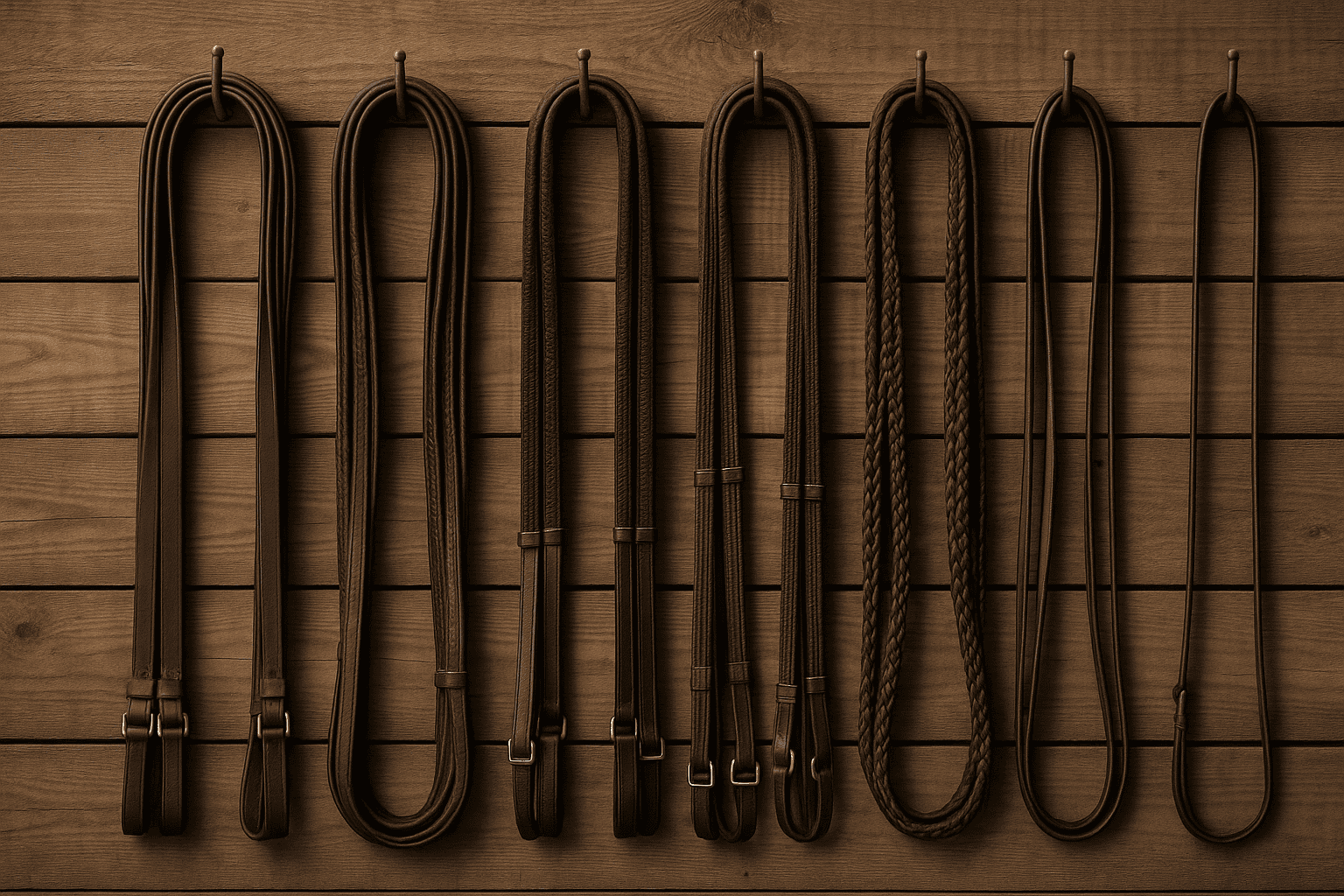
English Reins Explained: Flat, Laced, Rubber, Webbed
READ GUIDE: English Reins Explained: Flat, Laced, Rubber, WebbedEnglish rein construction affects grip, thickness, flexibility, and how the reins feel in a rider’s hands. This guide compares the most common types, where they’re…

Featured Guide
Horse Blankets Explained: Turnout vs. Stable vs. Cooler
In this guide, we’ll break down the three most common types of horse blankets—turnouts, stable blankets, and coolers. You’ll learn what they are, when to use them, how to measure your horse for the correct size, and what features to look for when shopping.
how tackreview works
Research first. Explain clearly.
TackReview is built around practical questions horse owners actually encounter. We look for reliable source material, explain what it means in practical terms, and separate verifiable facts from judgment, preference, and recommendation.
01
Use strong sources
We prioritize manufacturer documentation, university and extension resources, professional guidance, reputable industry references, and other credible sources when they materially support the subject.
02
Separate facts from judgment
Specifications and sourced claims should be verifiable. Practical opinions, recommendations, and tradeoffs should be presented clearly as judgment rather than disguised as fact.
03
Correct and update
Products, specifications, prices, guidance, and accepted practices can change. We aim to update content when we identify meaningful changes or material factual errors.